
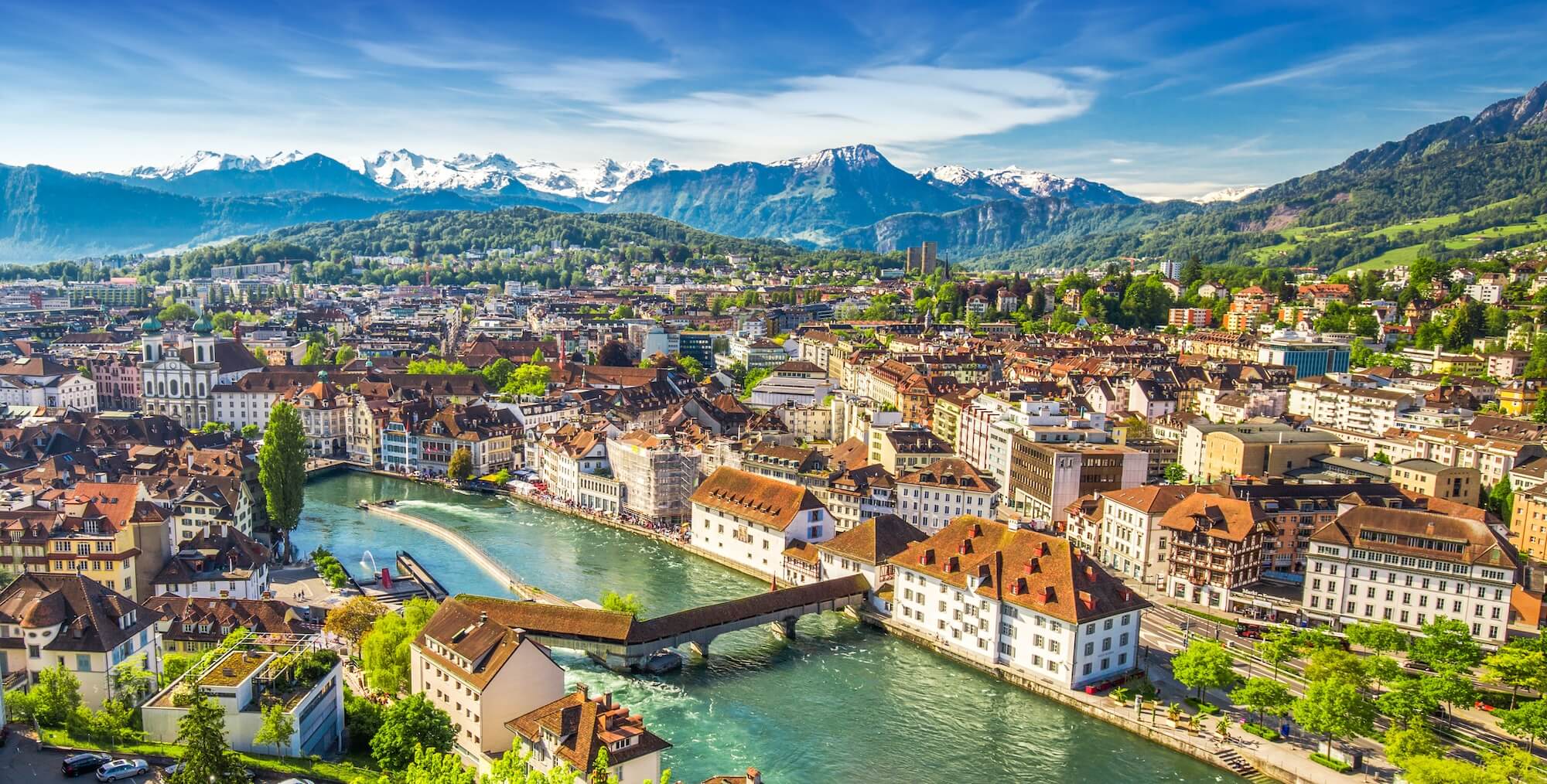
Financial advice for B permit holders in Switzerland
The B permit comes with its own tax mechanics, deduction rules and quietly missed opportunities. We help you set things up right from year one - and prepare for the C permit at the same time.
The B permit is a Swiss residence permit, typically issued for five years and renewable. As a B permit holder you are normally taxed at source (Quellensteuer / impôt à la source) directly through payroll, unless you also hold a C permit. As of 2025, if your gross annual income exceeds CHF 120,000 (in most cantons) you are automatically moved to an ordinary tax assessment; below that you can request a recalculation (NOV - Nachträgliche ordentliche Veranlagung) to claim deductions like pillar 3a, childcare and pension buy-ins. Basic health insurance (KVG / LAMal) is mandatory within 3 months of arrival, and B permit holders can buy property and obtain a Swiss mortgage.
What B permit holders have to figure out
- 01
Withholding tax (Quellensteuer) by default
On a B permit your Swiss employer deducts tax directly from your salary based on cantonal tariffs. The rate already includes family circumstances roughly, but it doesn't reflect deductions such as pillar 3a, childcare or pension buy-ins - that is where the optimisation lives.
- 02
The CHF 120,000 threshold and ordinary assessment
If your gross income exceeds roughly CHF 120,000 in a calendar year (in most cantons), you are automatically moved to an ordinary tax return for that year. From then on you file annually like a Swiss resident, which both opens up deductions and requires good record-keeping.
- 03
Requesting a recalculation (NOV) below the threshold
Below the threshold, you can request a Nachträgliche ordentliche Veranlagung (NOV) by the cantonal deadline (typically 31 March of the following year) to claim deductions such as pillar 3a, professional expenses, childcare and pension buy-ins. For many B permit holders this is the single most overlooked refund opportunity.
- 04
Mandatory health insurance within 3 months
Every person living in Switzerland - including B permit holders and their family members - must take out basic health insurance (KVG / LAMal) within 3 months of arrival. Choice of fund, model and franchise has a real impact on annual premiums.
- 05
Pillar 3a from day one
Pillar 3a is open to B permit holders who are subject to Swiss social security (AHV / AVS), with the standard 2025 employee limit of CHF 7,258. Combined with a recalculation request or an ordinary assessment, the deduction can produce a meaningful tax refund.
- 06
Property and mortgages on a B permit
B permit holders can buy property in Switzerland as a primary residence and obtain a Swiss mortgage under the same rules as Swiss residents (around 20% equity, affordability tested at a notional 5%). Different rules apply to non-resident buyers under Lex Koller, but that does not affect resident B permit holders for their own home.
- 07
Building toward a C permit
Most EU/EFTA nationals can apply for a C permit after 5 years of continuous residence (sometimes 10 years for other nationals, with earlier access in some cases). The C permit removes withholding tax, brings full ordinary assessment and broadens employment and property rights - so the years on a B permit are also a preparation phase.
Don't miss your first Swiss tax refund
In a 30-minute call we look at your withholding tax, your pillar 3a and whether a recalculation (NOV) request makes sense - often worth several thousand francs for a B permit holder.
How we help B permit holders
Taxes & pension
Withholding-tax review, NOV recalculation requests below the threshold, ordinary filing above it, and a clear pillar 3a + pillar 2 buy-in strategy from year one.
Claim Swiss tax deductions and pillar 3a on a B permitHealth insurance
Compare KVG / LAMal funds, choose the right model and franchise for each family member, and add sensible supplementary cover only where it pays off.
Set up Swiss health insurance as a new B permit holderFinance & mortgage
Buying a home in Switzerland on a B permit: affordability check, equity sourcing (cash, pillar 2, 3a) and independent comparison across Swiss lenders.
Check mortgage affordability on a B permitInvestments & savings
A long-term, low-cost investment plan that works whether you stay on the B permit, transition to a C permit or move abroad later.
Plan long-term investments as a B permit holderHow we work with B permit holders
A three-step process designed for your first years in Switzerland - and the move toward a C permit.
1 · Free discovery call
30 minutes on video. We map your permit, income, family and the urgent calls - typically withholding tax, pillar 3a and health insurance.
2 · Your B-permit roadmap
A written plan covering tax (NOV or ordinary), pillar 3a, health insurance, protection and - if relevant - a realistic mortgage scenario.
3 · Implementation, together
We help you implement: filings, comparisons, signatures - and review the plan when your situation changes (income jump, child, home purchase, C permit).
Run the numbers yourself
Calculators are estimates for planning, not formal tax or investment advice.
Pension gap
Estimate the gap between your expected Swiss pension and the income you'll actually want - useful both for stay-and-retire and for leave-Switzerland scenarios.
Open calculator →Mortgage check
See what a Swiss bank will realistically lend you for a home on a B permit.
Open calculator →Health insurance premium comparison
Compare KVG / LAMal premiums for your household by canton, age, deductible and model.
Open calculator →B permit questions we hear most often
Am I taxed at source on a B permit?
Can I claim tax deductions on a B permit?
Do I need to file a Swiss tax return on a B permit?
Can I buy a home and get a Swiss mortgage on a B permit?
What do I have to do about health insurance as a new B permit holder?
When can I apply for a C permit, and what changes?
Let's set up your B permit years the right way
A 30-minute call with an independent Hello Expats advisor - no obligation, no fees. We focus on withholding tax, deductions and the path toward a C permit.
Book a free B permit consultation →